How Walkable is Downtown Nashville in Nashville, TN?
The most walkable neighborhood in the Nashville metro, Downtown Nashville near Nashville, TN earns an 83 on the Walk Score scale. That places it firmly in the "Very Walkable" tier where most errands can be accomplished on foot. The area has long been defined by its urban density and concentration of entertainment, dining, and office space.

Walkability in the Nashville area
Downtown Nashville's 83 nearly triples the metro average of 29. Germantown (75), Edgefield (73), and Lockeland Springs (73) come closest among Nashville neighborhoods, but Downtown holds a clear lead. The gap to suburban areas like Green Hills (30) or Inglewood (35) is enormous.
The Cumberland River waterfront, a dense street grid, and the convergence of WeGo bus routes give Downtown its edge. Most of Nashville's transit lines radiate from this point, making it the only neighborhood where you can reach multiple parts of the city without a car. The transit score of 66 (Good Transit) is the highest in the metro.
What a Walk Score of 83 means
Downtown Nashville's Walk Score of 83 means most daily errands can be handled on foot. Restaurants, groceries, gyms, and entertainment are all within walking distance. The bike score of 67 (Bikeable) reflects some cycling infrastructure along the riverfront. The transit score of 66 (Good Transit) is unmatched in Nashville, with WeGo buses serving nearly every major corridor from downtown.
Why do buyers choose Downtown Nashville?
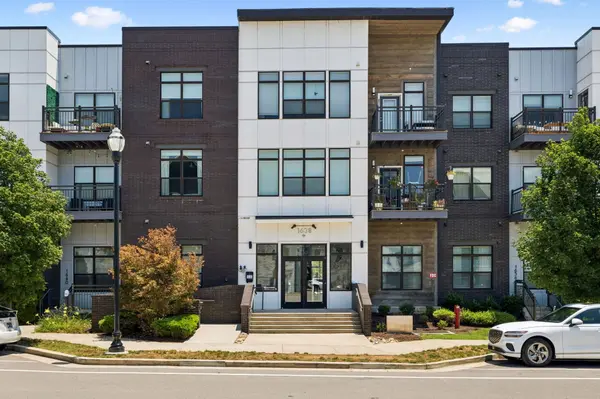
Downtown offers Nashville's only true car-optional lifestyle. The median sale price of $631,784 is up 15% year over year, though the market moves slowly—homes spend a median of 75 days on market with over 21 months of supply. No homes sold above asking in the period, and the sale-to-list ratio of 96.5% suggests buyers negotiate significant discounts. This is primarily a condo market, and the high inventory gives buyers substantial leverage.
For buyers who prioritize walking over space, Downtown costs less than Germantown ($544,814, Walk Score 75) on paper, though unit sizes vary significantly. The tradeoff is density, noise, and tourism traffic in exchange for genuine walkability. Nashville's transit plans have focused on expanding service from this hub outward.
| City/Neighborhood | Walk Score | Bike Score | Transit Score | Median Price | Days on Market |
|---|---|---|---|---|---|
| Downtown Nashville ★ | 83 | 67 | 66 | $631,784 | 75 days |
| Germantown | 75 | 72 | 50 | $544,814 | 72 days |
| Edgefield | 73 | 59 | 45 | $749,744 | 66 days |
| Lockeland Springs | 73 | 50 | 36 | $810,723 | 27 days |
| Melrose | 72 | 49 | 30 | $969,669 | 84 days |
| Eastwood | 72 | 52 | 37 | $719,754 | 40 days |
Limited to neighborhoods with at least 10 home sales in the period.
All data comes from Redfin and represents a three-month rolling average ending July 2026. This article has been generated, in whole or in part, using generative artificial intelligence (AI) technology, with input from Redfin head of economics research Chen Zhao. While efforts have been made to ensure the accuracy and reliability of this information, you should independently verify all data, facts, and citations contained in this article before relying on it for any purpose. This information is not a substitute for advice from a real estate agent, financial advisor, or other licensed professional. Check the Redfin Data Center for additional in-depth housing market data.
Categories
Recent Posts